Products · Portable
Infra-View® portable infrared boiler / furnace thermometer
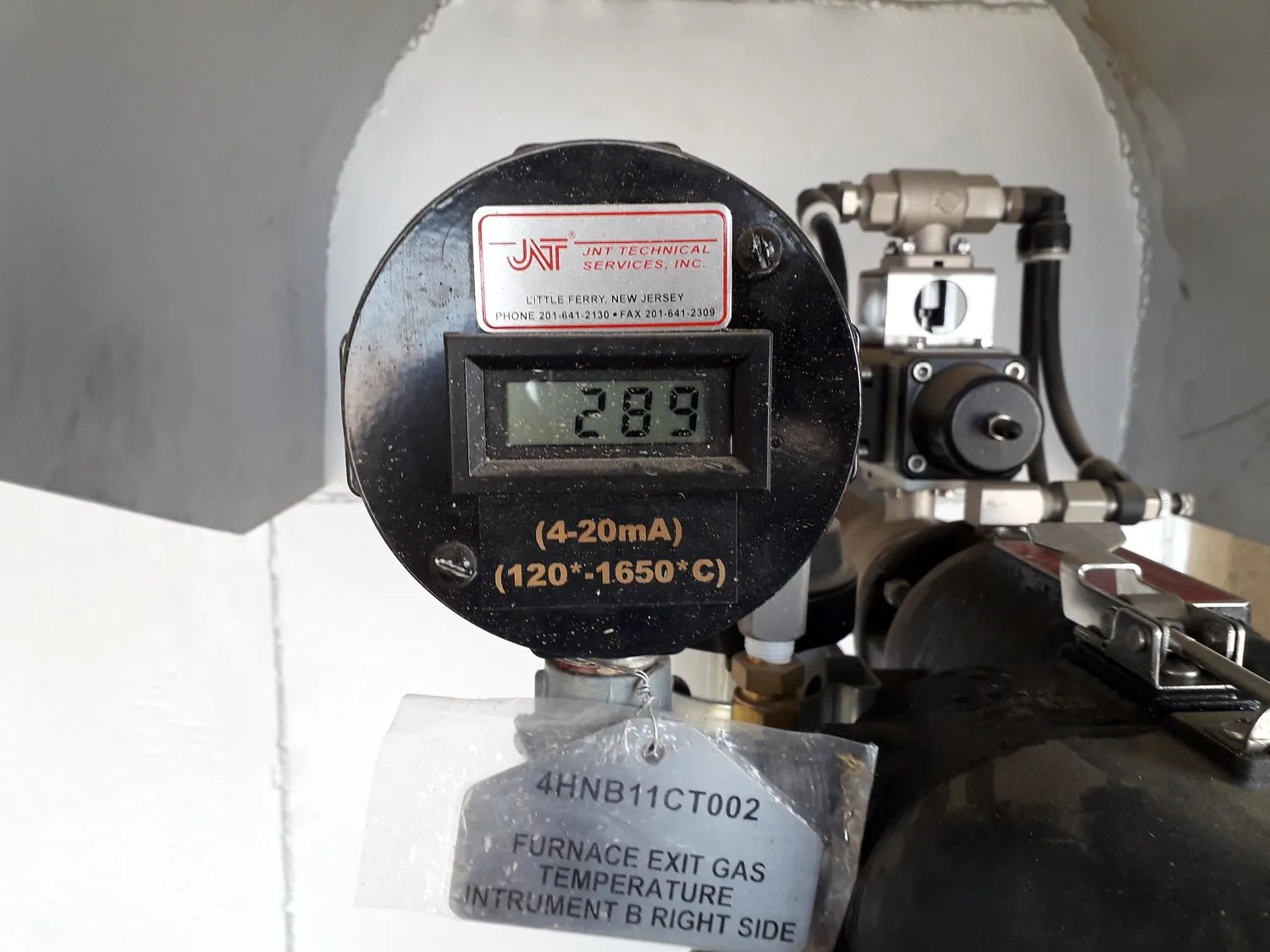
The same Infra-View® sensor, configured to travel: a battery pack that powers the loop, a local digital readout, a carrying case, a tripod and a mounting bracket. Take readings at several ports around the boiler before, during and after a combustion-optimization project, or check what an FGD or SNCR inlet is really seeing.
Documents
- Infra-View® literature sheetPDF · 130 KBThe two-page overview: how the sensor reads hot CO₂, the 250°F to 3,000°F range, the cooled and purged jacket, and suggested installation locations on a boiler.
- Measuring FEGT in industrial furnaces (application note)PDF · 6.2 MBWhy furnace exit gas temperature matters, contact versus non-contact methods, the factors that skew a reading, and how Infra-View® is applied.
- Installation, operation and maintenance manualOn requestIssued with each unit and on request for existing installations, so the current revision always goes out.
- Calibration and maintenance guide / NIST certificateOn requestSensor calibrations and rebuilds are a service we provide; the guide and a NIST-traceable certificate are issued on request.
What comes in the case
- Sensor
- The Infra-View® infrared detector in its protective jacket — 250°F to 3,000°F, higher end temperatures available.
- Local readout
- Digital display providing loop power, so the reading is on the instrument, not only on a recorder.
- Battery pack
- Runs the loop without plant power at the port.
- Tripod and bracket
- Stand the sensor at a port or bolt it to a temporary bracket for a repeatable position.
- Carrying case
- Everything in one case, between units and between plants.
- Air connection
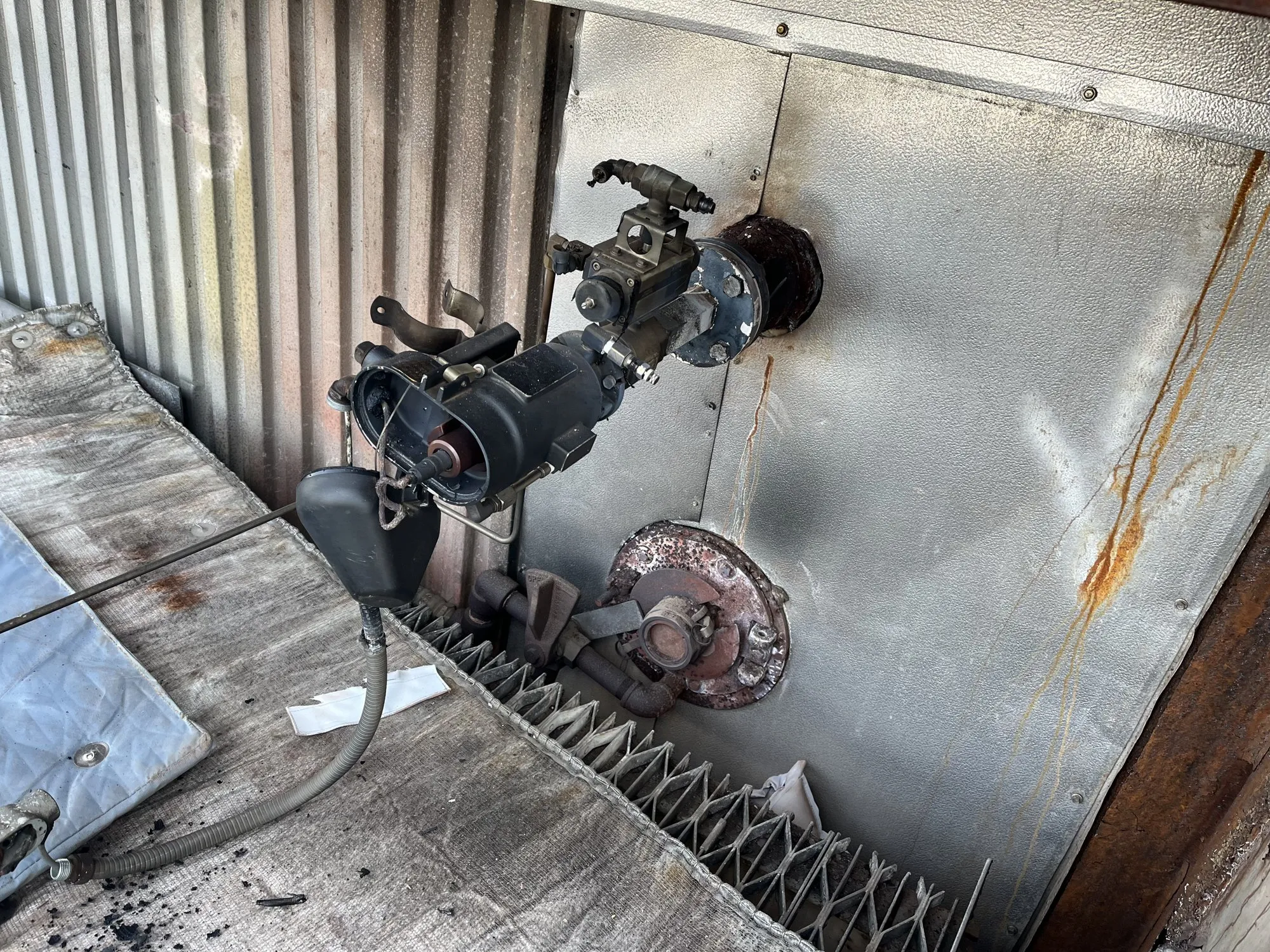
- Plant or bottled compressed air for the cooling and purge jacket during a reading.
Portable or fixed?
Portable when the question is a survey: how the exit gas temperature varies across the furnace, what a tuning change did, whether an emissions-control inlet is within its limits. Fixed when the answer has to be on the DCS around the clock. Many plants start with a survey and then install fixed units at the positions the survey showed matter.